Does SEO still work in 2026? Yes, but it no longer works the way it did years ago. Businesses can still gain visibility, leads, and trust through SEO, but success now depends on helpful content, technical quality, search intent, brand authority, and visibility across both traditional and AI-powered search experiences.
Does SEO Still Work in 2026?
SEO still works because people still search before making decisions. Whether they are comparing service providers, researching pricing, checking reviews, solving a business problem, or looking for a local expert, search remains one of the strongest discovery channels.
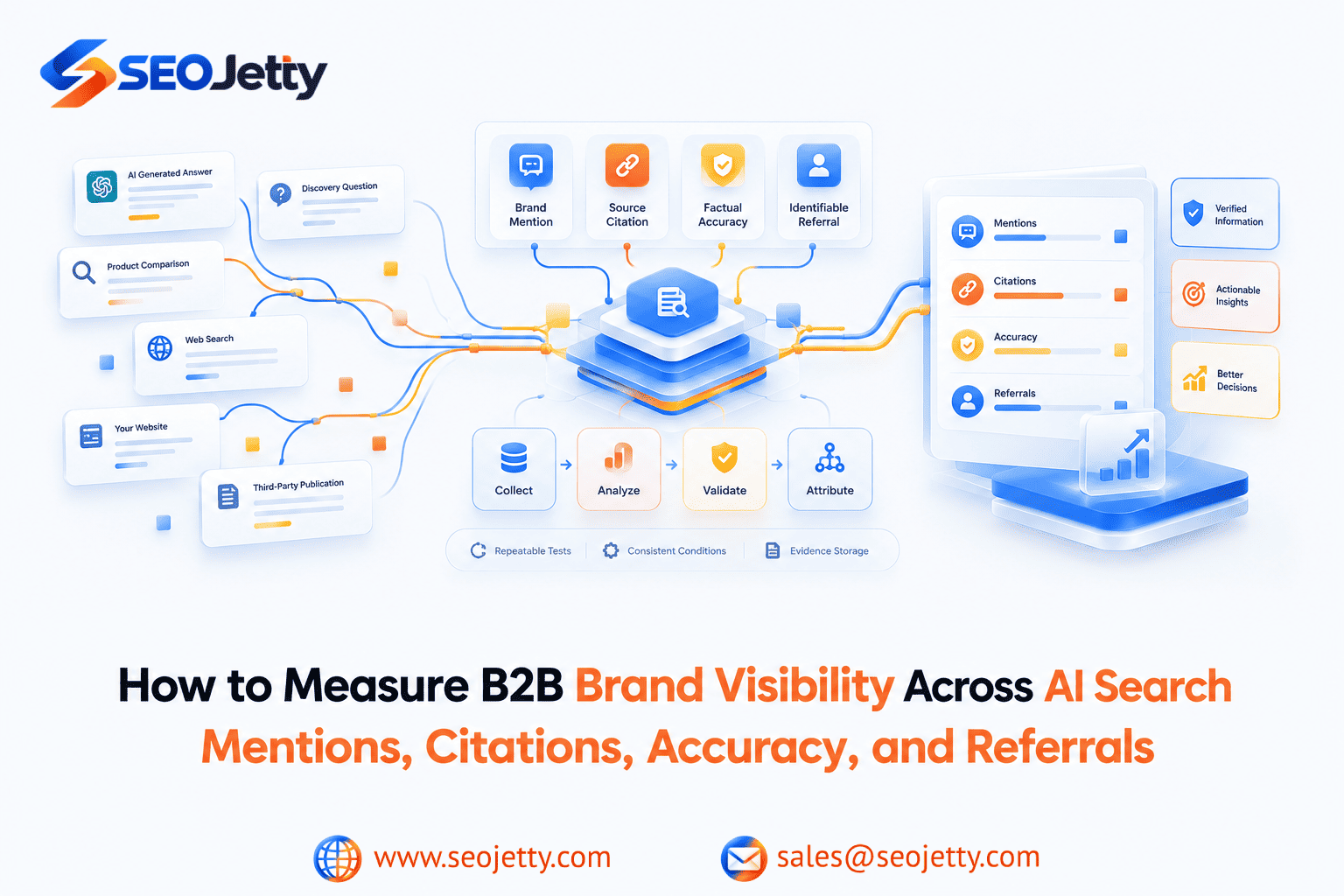
What has changed is how search engines evaluate websites and how users consume results. Ranking for a keyword is no longer the only goal. Businesses now need to be visible in organic search results, AI Overviews, map results, featured snippets, brand searches, answer engines, and industry-specific queries.
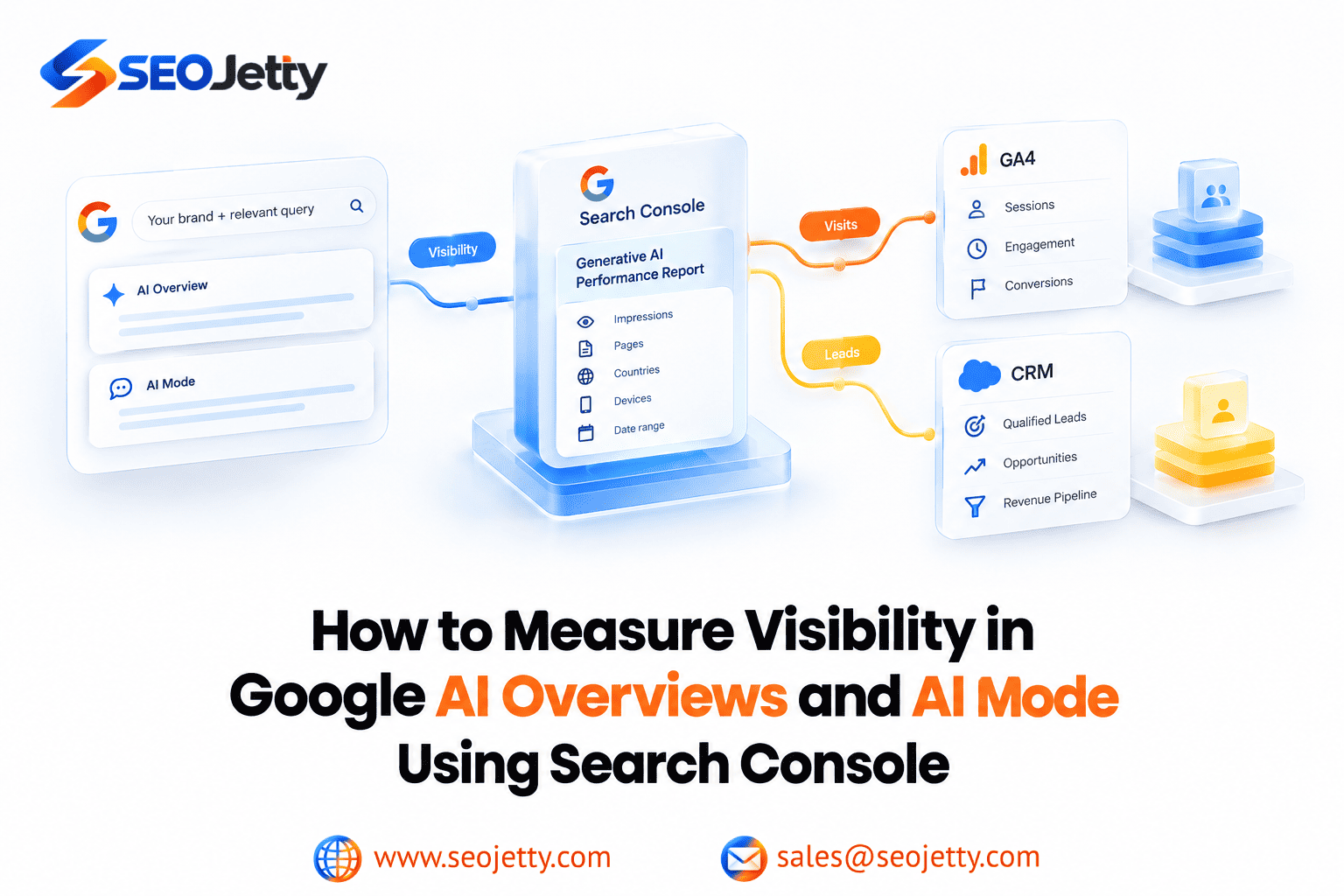
Google’s own guidance continues to state that foundational SEO best practices remain relevant for AI features in Search, including AI Overviews and AI Mode. Google also explains that these AI search experiences rely on core Search ranking and quality systems.
This means SEO is not dead. It has become broader, more technical, more content-driven, and more dependent on real business credibility.
Why People Think SEO No Longer Works
Many businesses feel SEO has stopped working because the old shortcuts are less effective. Years ago, some websites gained visibility through keyword stuffing, low-quality backlinks, thin blog posts, exact-match landing pages, and repetitive location pages. Those tactics are far less reliable today.
Search engines are better at identifying content that exists only to manipulate rankings. Google’s guidance emphasizes helpful, reliable, people-first content rather than content created mainly for search engines.
Another reason businesses question SEO is the rise of AI search. Users can now get quick answers directly on the results page. Google has also introduced expanded AI search experiences, including AI Mode and AI-powered search features.
This creates a real challenge: some informational searches may generate fewer clicks. But it also increases the value of strong SEO because AI search systems still need credible sources, clear explanations, trusted brands, and well-structured content to reference.
What SEO Means Now
Modern SEO is not just about ranking a page for one keyword. It is the process of making a business more discoverable, understandable, trusted, and useful across the search journey.
A strong SEO strategy now includes:
- Technical website health
- Search intent research
- Helpful service pages
- High-quality blog content
- Local SEO where relevant
- Structured data
- Internal linking
- Page speed and usability
- Authority-building content
- Brand visibility
- Conversion-focused landing pages
- Analytics and reporting
SEO also supports how AI systems understand a business. Clear content, strong topical coverage, accurate service information, and trustworthy website structure help search engines and AI answer systems interpret what a company does and when it should be shown.
Why SEO Still Matters for Businesses
SEO remains important because it connects businesses with people who are already looking for solutions. Unlike interruption-based marketing, search demand already exists. A person searching for a service, comparison, guide, solution, or provider is showing intent.
For businesses, this creates several advantages.
SEO Builds Long-Term Visibility
Paid ads stop when the budget stops. SEO takes longer, but strong organic visibility can continue to generate traffic and leads over time. A well-optimized service page, useful blog, or local landing page can keep attracting potential buyers after publication if it remains accurate and maintained.
SEO is not a one-time task. It requires updates, technical improvements, content refreshes, and ongoing optimization. But the long-term compounding value is one of the main reasons businesses still invest in it.
SEO Supports Buyer Trust
Many decision-makers do not contact the first company they see. They compare options, read service pages, check expertise, review case studies, and look for signs of credibility.
A business that appears consistently across relevant searches can build familiarity before a sales conversation begins. Helpful content also shows that the company understands buyer problems, industry language, implementation risks, and business outcomes.
This is especially important for service-led businesses where trust matters as much as visibility.
SEO Improves Lead Quality
Not all traffic is valuable. Modern SEO focuses on attracting the right audience through the right intent.
For example, someone searching “what is SEO” may be early in the research stage. Someone searching “SEO services for small business” or “technical SEO agency” is much closer to evaluating providers.
A strong SEO strategy maps content to different stages of the buyer journey. Informational content educates. Commercial content supports comparison. Service pages convert. FAQs reduce friction. Case-based content builds confidence.
SEO Helps Businesses Compete in AI Search
AI-powered search has changed how answers are presented, but it has not removed the need for trusted web content. Google’s guidance says there are no separate requirements to appear in AI Overviews or AI Mode, and that reviewing fundamental SEO best practices remains important.
For businesses, this means SEO must now support both classic search visibility and answer-based discovery. Pages should clearly explain services, answer buyer questions, define processes, describe use cases, and show expertise in a way that is easy for search systems to interpret.
Thin content is easier to ignore. Clear, expert-led, well-structured content is more likely to be useful across both search engines and AI-generated responses.
What Makes SEO Work Today?
SEO works when it is built around quality, relevance, and execution. It fails when businesses treat it as a checklist or expect fast results from weak content.
Strong Search Intent Understanding
Every keyword has intent. Some users want information. Some want a service provider. Some want pricing. Some want a comparison. Some want a step-by-step explanation.
SEO works best when content matches the real reason behind the search. A blog answering “Does SEO still work?” should not only say yes. It should explain why SEO still matters, what changed, what results businesses can expect, and how to approach SEO in 2026.
This is how content becomes genuinely useful rather than simply optimized.
Helpful and Practical Content
Modern SEO depends heavily on content quality. Helpful content should answer real questions, explain trade-offs, address concerns, and guide decisions.
For SEO service pages and blogs, this means covering topics such as:
- What the service includes
- Who needs it
- How the process works
- What problems it solves
- What results are realistic
- What risks to avoid
- How to choose a provider
- What affects cost and timelines
This type of content supports both users and search systems because it provides clear, meaningful information.
Technical Website Quality
Even the best content can underperform if the website has technical problems. SEO still depends on crawlability, indexing, site architecture, page speed, mobile usability, internal links, canonical tags, redirects, structured data, and clean navigation.
Google’s SEO Starter Guide explains that SEO involves improving a website’s presence in Search beyond basic eligibility.
For businesses, technical SEO is the foundation. Without it, search engines may struggle to discover, understand, or prioritize important pages.
Authority and Trust Signals
Search engines look for signals that content is reliable and useful. Businesses can strengthen authority through original insights, detailed service explanations, accurate information, expert content, case-based examples, transparent business details, and consistent branding.
Backlinks still matter, but quality is more important than quantity. A few relevant mentions from trusted websites can be more valuable than many low-quality links.
Authority also comes from depth. A website that thoroughly covers a service area is easier for search systems to understand than a website with scattered, generic content.
Continuous Optimization
SEO is not completed after publishing pages. Search behavior changes, competitors improve, algorithms evolve, and business goals shift.
Ongoing SEO includes:
- Updating outdated content
- Improving underperforming pages
- Fixing technical issues
- Expanding topic coverage
- Monitoring rankings and conversions
- Improving internal links
- Refreshing metadata
- Analyzing search queries
- Strengthening local or service pages
Businesses that treat SEO as an ongoing growth channel usually perform better than those that make one-time changes and stop.
Does SEO Still Work for Small Businesses?
Yes, SEO still works for small businesses, but the strategy must be realistic. A small business may not compete immediately for broad national keywords, but it can often win through focused service pages, local SEO, niche content, and strong buyer-intent keywords.
For example, instead of targeting only “SEO,” a small business may benefit from targeting specific searches such as:
- SEO services for small businesses
- Local SEO for service providers
- SEO audit for business websites
- Affordable SEO services
- SEO company near me
- Industry-specific SEO services
Small businesses often have an advantage when they can show clear expertise, strong customer understanding, and location relevance. Local search, reviews, Google Business Profile optimization, and service-specific content can help them reach buyers who are ready to act.
Does SEO Still Work for B2B Companies?
SEO is highly valuable for B2B companies because B2B buyers research deeply before contacting vendors. They compare solutions, evaluate risks, understand processes, and look for providers who can explain complex topics clearly.
B2B SEO works best when it supports the full decision journey. This includes educational blogs, comparison content, service pages, solution pages, industry pages, thought leadership, technical explainers, and FAQs.
The goal is not just traffic. The goal is qualified visibility. A B2B SEO strategy should help the right decision-makers find useful answers and understand why a company is relevant to their needs.
How SEO Jetty Supports SEO Visibility
SEO Jetty is relevant to this topic because its service offering directly aligns with search engine optimization. The company’s website describes services including website optimization, keyword research, link building, content creation, and other digital marketing services aimed at improving rankings and online visibility.
For businesses asking whether SEO still works, this kind of service support matters because modern SEO requires more than basic keyword placement. Companies need technical review, content planning, keyword strategy, authority development, performance tracking, and practical optimization across service pages and informational content.
SEO Jetty can be positioned as a specialist SEO partner for businesses that want structured support rather than random SEO tasks. Its SEO-related capabilities connect naturally to common business challenges such as low organic visibility, weak keyword targeting, poor website optimization, limited content depth, and the need to attract more qualified website traffic.
For companies operating in competitive markets, a focused SEO partner can help turn search from a passive channel into a measurable growth asset. The value is strongest when SEO work is aligned with business goals, realistic timelines, content quality, technical execution, and ongoing improvement.
What Results Can Businesses Expect from SEO?
SEO can deliver meaningful results, but it is not instant. Businesses should expect progress in stages.
In the early phase, SEO often focuses on audits, technical fixes, keyword research, content gaps, analytics setup, and priority page improvements. This helps create a stronger foundation.
In the middle phase, businesses may start seeing better rankings for long-tail keywords, improved indexing, stronger content performance, and more organic traffic from relevant searches.
Over time, strong SEO can support more qualified leads, better brand visibility, improved trust, and reduced dependency on paid traffic.
However, no ethical SEO provider should guarantee exact rankings or overnight results. Search performance depends on competition, website history, content quality, authority, technical health, budget, and consistency.
When SEO Does Not Work
SEO may fail when the strategy is weak or unrealistic. Common reasons include:
- Targeting the wrong keywords
- Publishing generic content
- Ignoring technical issues
- Expecting instant results
- Building poor-quality backlinks
- Copying competitors without strategy
- Not updating old pages
- Focusing on traffic instead of leads
- Using AI content without expert review
- Not tracking conversions
SEO also struggles when a business has unclear positioning. If the website does not clearly explain what the company offers, who it serves, and why buyers should trust it, search visibility alone will not solve the problem.
SEO works best when marketing, content, website experience, and business strategy are aligned.
How to Make SEO Work in 2026
Businesses that want SEO to work in 2026 should focus on fundamentals and avoid shortcuts.
Start with the website foundation. Make sure important pages are crawlable, indexed, fast, mobile-friendly, and easy to navigate.
Next, understand search intent. Build content around what buyers actually need to know before making a decision.
Then, improve service pages. A strong service page should explain the service, benefits, process, use cases, deliverables, and reasons to choose a provider.
After that, build topical authority. Publish helpful content around buyer questions, industry problems, comparison topics, implementation concerns, and decision-stage searches.
Finally, measure what matters. Rankings and traffic are useful, but leads, conversions, engagement, and pipeline quality matter more.
SEO Is Now Part of a Bigger Search Ecosystem
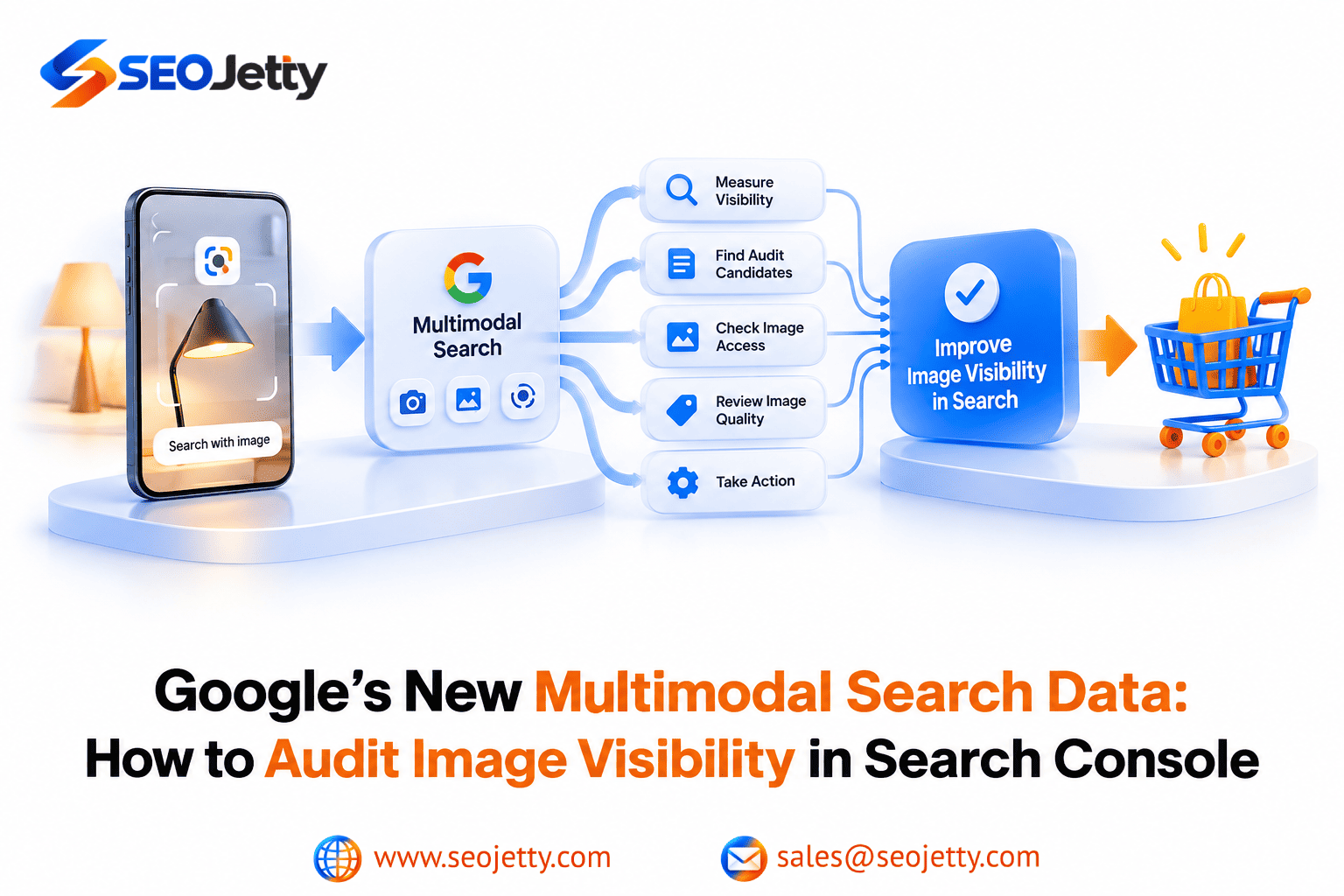
The biggest change in 2026 is that SEO is no longer limited to ten blue links. Search visibility now includes AI summaries, local packs, video results, image results, knowledge panels, featured snippets, community discussions, and answer engines.
This does not make SEO irrelevant. It makes SEO more important as a foundation for digital visibility.
A business with clear content, strong service pages, technical health, and trusted authority has more opportunities to appear across different search experiences. A business with weak content and poor structure has fewer chances to be discovered.
Frequently Asked Questions
Does SEO still work in 2026?
Yes, SEO still works in 2026. It helps businesses improve organic visibility, attract relevant traffic, build trust, and support discovery across traditional search and AI-powered search experiences.
Is SEO still worth it with AI search?
Yes. AI search changes how answers are displayed, but it still relies on searchable, useful, and trustworthy web content. Strong SEO helps search systems understand and surface relevant business information.
How long does SEO take to work?
SEO timelines vary based on competition, website condition, content quality, authority, and strategy. Many businesses start seeing early improvements within a few months, but stronger results usually require consistent work over time.
What type of SEO works best now?
The most effective SEO combines technical optimization, search intent research, helpful content, strong service pages, internal linking, quality backlinks, local SEO where relevant, and ongoing performance improvement.
Can SEO Jetty help businesses with SEO?
SEO Jetty offers SEO-related services such as website optimization, keyword research, link building, and content creation, making it relevant for businesses looking for structured SEO support.
Is SEO better than paid ads?
SEO and paid ads serve different purposes. Paid ads can generate faster visibility, while SEO builds long-term organic presence. Many businesses benefit from using both, depending on budget, goals, and competition.
Conclusion
Does SEO still work? Yes, but only when it is done with the right expectations and a modern strategy. SEO in 2026 is about more than keywords and rankings. It requires technical quality, helpful content, clear service positioning, authority, search intent alignment, and continuous improvement. For businesses, SEO remains one of the most valuable ways to build visibility, trust, and qualified demand. With services connected to website optimization, keyword research, link building, and content creation, SEO Jetty is naturally relevant for companies that want practical SEO support built around long-term search growth.