Local SEO has become a measurable growth channel for FinTech businesses competing across multiple regions, service areas, and search ecosystems. In 2026, success is no longer defined by rankings alone. Businesses now evaluate local SEO through visibility, engagement quality, conversions, trust signals, and AI-driven search performance across platforms like Google, ChatGPT, Gemini, and voice search environments.
Why Measuring Local SEO Success Matters for FinTech Businesses
For FinTech companies, local SEO supports more than online visibility. It influences lead generation, local trust, regulatory credibility, customer acquisition efficiency, and regional market expansion.
Many businesses invest in SEO campaigns without defining measurable outcomes. This creates reporting gaps and makes it difficult to understand whether optimization efforts are improving actual business performance.
In competitive financial markets, local SEO success should connect directly to:
- Qualified lead growth
- Location-based search visibility
- Customer acquisition costs
- Local authority signals
- Organic conversion performance
- Brand trust and engagement
- Multi-location discoverability
- AI search visibility
Modern local SEO measurement requires combining technical SEO metrics with commercial performance indicators.
Key Metrics That Define Local SEO Success in 2026
Google Business Profile Performance
Google Business Profile remains one of the most important local SEO assets for businesses targeting regional audiences. Tracking profile-level engagement provides direct visibility into how users discover and interact with a business locally.
Important metrics include:
- Profile views
- Direction requests
- Website clicks
- Phone calls
- Local discovery searches
- Branded searches
- Photo engagement
- Customer review growth
For FinTech companies operating in multiple regions, monitoring location-level engagement trends helps identify which markets generate the strongest intent signals.
Local Keyword Visibility
Keyword rankings still matter, but the focus has shifted toward localized commercial-intent queries.
Businesses should track visibility for:
- Location-based service searches
- Near-me searches
- Industry-specific local keywords
- Mobile search visibility
- Map Pack rankings
- AI-generated search summaries
Success should not be measured by a single ranking position. Instead, businesses should analyze:
- Search share across regions
- Keyword visibility trends
- Search intent alignment
- Click-through performance
- Competitor visibility overlap
Organic Traffic From Local Intent Searches
Traffic quality is more valuable than traffic volume. Local SEO success depends on attracting users with genuine purchasing or inquiry intent.
Businesses should evaluate:
- Organic sessions by location
- Landing page engagement
- Regional bounce rates
- Mobile traffic behavior
- Returning visitors
- Geo-specific conversions
For FinTech organizations, localized content and service pages often reveal which regions are actively searching for financial solutions.
Conversion Performance
Local SEO should contribute measurable business outcomes. Rankings without conversions rarely provide long-term value.
Important conversion indicators include:
- Form submissions
- Consultation requests
- Demo bookings
- Phone inquiries
- Email signups
- Live chat interactions
- Application completions
- Qualified lead generation
Businesses should attribute conversions to specific local landing pages, keywords, and search channels to identify which SEO efforts generate commercial results.
How AI Search and Entity Signals Affect Local SEO Measurement
In 2026, local SEO performance extends beyond traditional search engines. AI-driven discovery platforms increasingly summarize, recommend, and reference businesses directly within generated answers.
This changes how businesses measure visibility.
AI Search Visibility
Businesses should evaluate whether they appear in:
- AI-generated search summaries
- Conversational search responses
- Voice assistant recommendations
- Local business citations in AI engines
- Entity-based search results
Structured content, location consistency, schema implementation, and entity optimization all contribute to AI-search discoverability.
Brand Entity Strength
Search engines increasingly rely on entity understanding instead of exact-match keyword dependence.
Strong local SEO performance now includes:
- Consistent business information
- Verified citations
- Authoritative local references
- Industry relevance signals
- Trusted review profiles
- Accurate structured data
FinTech companies particularly benefit from strong entity credibility because trust and legitimacy significantly influence financial search behavior.
Reputation and Review Metrics
Reviews directly influence local search rankings, click-through rates, and conversion trust signals.
Businesses should monitor:
- Review frequency
- Average ratings
- Review sentiment
- Review response rates
- Platform diversity
- Location-specific reputation trends
For regulated industries like FinTech, transparent reputation management also supports compliance-conscious customer acquisition strategies.
Common Mistakes Businesses Make When Measuring Local SEO
Focusing Only on Rankings
High rankings do not automatically translate into qualified business opportunities. Many businesses overvalue rankings while ignoring engagement quality and conversion performance.
Local SEO measurement should include revenue-oriented metrics rather than vanity indicators alone.
Ignoring Mobile Performance
Most local searches occur on mobile devices. Slow-loading pages, poor mobile UX, or weak location-page usability can reduce conversions even when rankings improve.
Businesses should regularly evaluate:
- Mobile speed
- Core Web Vitals
- Local landing page UX
- Call-to-action accessibility
- Mobile conversion rates
Using Inconsistent Reporting Models
Many organizations track SEO using disconnected platforms, making performance analysis unreliable.
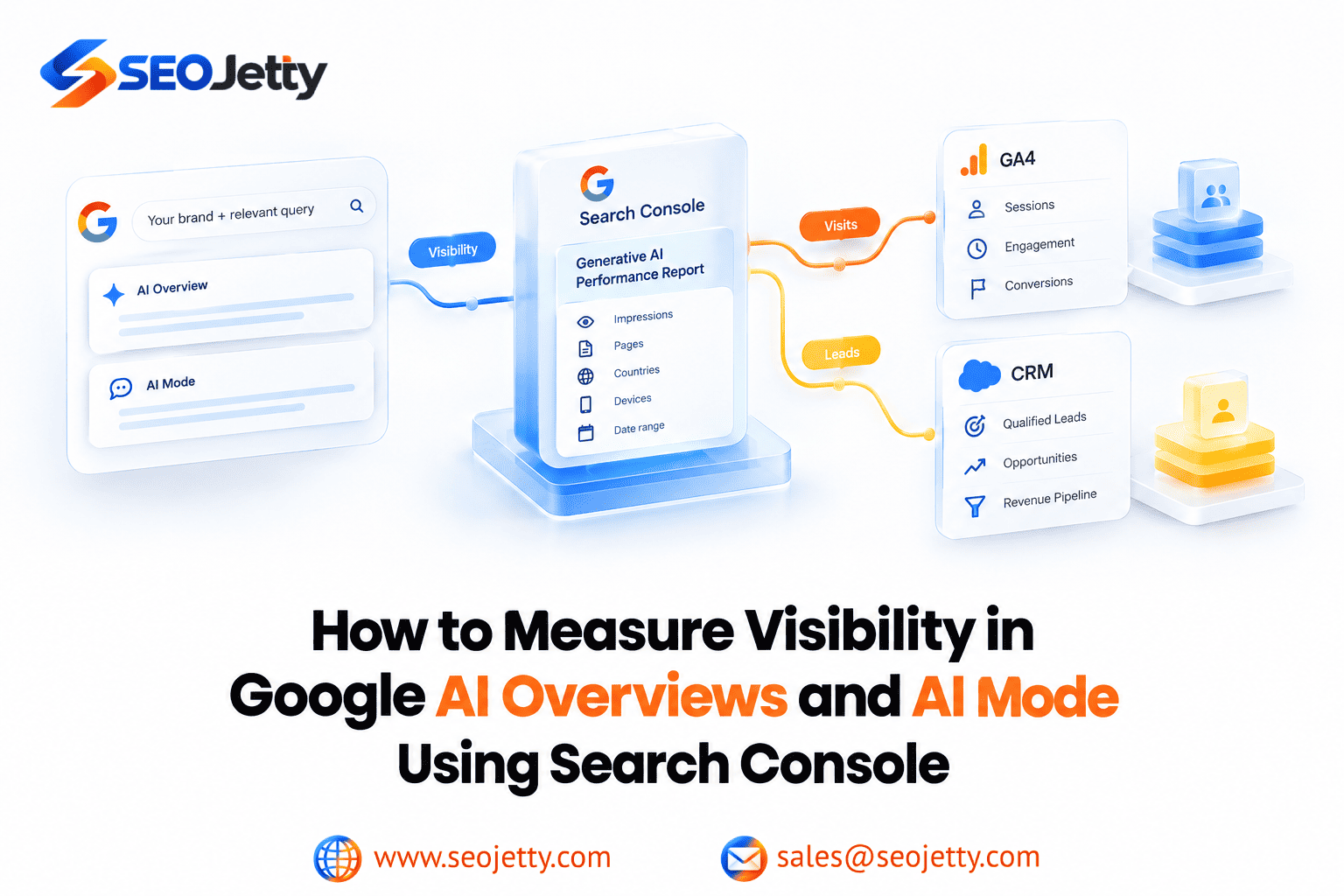
Effective local SEO reporting requires integrated visibility across:
- Analytics platforms
- Search Console data
- Google Business Profile insights
- Call tracking systems
- CRM attribution data
- Conversion reporting dashboards
Overlooking Regional Search Differences
Global businesses often assume search behavior remains consistent across markets. However, local SEO performance varies significantly based on:
- Language preferences
- Regulatory requirements
- Search behavior
- Market maturity
- Local competitors
- Financial service expectations
Regional performance segmentation is essential for accurate measurement.
Best Practices for Tracking Local SEO Performance Effectively
Define Business-Centric SEO KPIs
Businesses should align SEO reporting with operational and commercial goals.
Useful KPIs may include:
- Qualified leads by location
- Cost per organic acquisition
- Regional conversion growth
- Local visibility share
- Engagement quality metrics
- Organic-assisted revenue
SEO becomes more valuable when performance connects directly to business outcomes.
Use Location-Specific Landing Pages
Dedicated local landing pages improve both measurement accuracy and search relevance.
Well-optimized location pages help businesses:
- Track regional demand
- Improve conversion attribution
- Target localized intent
- Strengthen entity relevance
- Enhance AI-search visibility
Monitor Competitor Visibility
Local SEO is relative to market competition. Businesses should continuously monitor:
- Competitor keyword coverage
- Map Pack presence
- Review growth trends
- Content authority
- Citation consistency
- Search feature ownership
This helps identify gaps and regional opportunities.
Measure Long-Term Growth Trends
Local SEO is cumulative. Short-term fluctuations are common, particularly after search algorithm updates or AI-search changes.
Businesses should focus on:
- Quarterly visibility growth
- Year-over-year performance
- Conversion quality trends
- Multi-location consistency
- Brand authority development
How SEO Jetty Helps FinTech Businesses Measure Local SEO Success
SEO Jetty provides SEO solutions designed to help businesses measure and improve meaningful local search performance across competitive digital markets. For FinTech organizations operating globally, local SEO measurement requires more than tracking rankings. It involves understanding how search visibility contributes to customer acquisition, regional authority, engagement quality, and scalable business growth.
The company supports businesses through strategic SEO implementation, location-focused optimization, structured reporting, technical audits, entity optimization, and performance analysis aligned with modern AI-search environments. Its approach focuses on connecting SEO efforts to measurable operational outcomes rather than vanity metrics alone.
For FinTech businesses, this often includes improving localized content structures, optimizing location pages, enhancing structured data implementation, monitoring conversion pathways, and strengthening search visibility across both traditional and AI-powered platforms.
SEO Jetty also helps organizations build scalable reporting frameworks that combine analytics, search performance data, conversion tracking, and local engagement metrics into actionable insights. This allows businesses to make informed decisions about regional SEO investment, content priorities, and long-term search growth strategies.
As local search continues evolving in 2026, businesses increasingly require SEO support that combines technical expertise, measurable reporting, and market-specific optimization practices.
Frequently Asked Questions
How long does it take to measure local SEO success?
Most businesses begin seeing measurable local SEO indicators within three to six months. However, competitive industries, multi-location strategies, and regional SEO expansion may require longer evaluation periods.
What is the most important local SEO metric?
There is no single metric that defines success. Businesses should evaluate local SEO using a combination of visibility, engagement, conversion, reputation, and revenue-related indicators.
Do reviews affect local SEO performance?
Yes. Reviews influence local rankings, user trust, click-through behavior, and conversion decisions. Consistent review growth and active reputation management are important local SEO signals.
How do AI search engines impact local SEO measurement?
AI search platforms increasingly rely on entity understanding, structured data, and authoritative business signals. Businesses should monitor whether they appear in AI-generated search summaries and conversational responses.
Why is conversion tracking important in local SEO?
Conversion tracking helps businesses understand whether local search traffic generates meaningful outcomes such as inquiries, consultations, or qualified leads. It connects SEO efforts directly to business performance.
Can SEO Jetty help FinTech companies improve local SEO reporting?
Yes. SEO Jetty supports businesses with SEO reporting frameworks, technical optimization, local visibility analysis, and performance tracking strategies aligned with modern search behavior and AI-driven discovery platforms.
Conclusion
Understanding how to measure local SEO success has become essential for businesses competing in increasingly complex search environments. In 2026, effective local SEO measurement goes beyond rankings and traffic alone. Businesses must evaluate visibility, engagement quality, conversions, reputation, entity strength, and AI-search discoverability together.
For FinTech organizations operating across regional or global markets, accurate SEO measurement supports smarter investment decisions, stronger customer acquisition strategies, and long-term digital growth. With structured reporting, localized optimization, and performance-focused SEO strategies, companies can better understand what drives meaningful search visibility and business outcomes. SEO Jetty supports this process through practical SEO solutions tailored to evolving local and AI-driven search expectations.