
A translated product page can still leave a shopper unsure whether an item fits, ships to their address, or carries the price shown at checkout. For a multilingual store, search visibility starts with making those answers accurate and accessible in each market.
In this guide, AI search optimization means maintaining useful localized content and reliable product information for search experiences that may include generated answers. It is a practical operating goal, not a separate technical standard or a guarantee of recommendations.
What changes for AI search—and what remains established SEO
Google states that its AI Overviews and AI Mode use established SEO foundations, with no special optimization required. A supporting page must be indexed and eligible for a search snippet. No special schema or AI text file is required; meeting the requirements does not guarantee inclusion. See Google’s AI features guidance.
Other answer platforms have their own retrieval methods and controls. Do not assume Google documentation describes every assistant. Choose the platforms and markets you intend to evaluate, then consult their current documentation before changing access settings.
For an e-commerce team, the useful work is concrete: publish accessible locale pages, resolve conflicting product facts, answer buying questions, and test the complete shopping journey.
1. Decide which language and market combinations need pages
A language is not a country. French content might serve several markets, while one country may need multiple languages. Create separate market versions when your offer or customer needs justify them.
Build a locale matrix before commissioning translations. The following is a hypothetical planning example, not a recommended market expansion plan.
| Audience | Content decision | Operational check |
|---|---|---|
| German-speaking shoppers in Germany | German product descriptions and buying guidance | Confirm local offer, shipping coverage, currency, and returns |
| French-speaking shoppers in Canada | French copy reflecting the Canadian offer | Check that checkout and support match the page |
| Spanish-speaking shoppers across markets | Choose broad language coverage or distinct regional versions based on actual differences | Verify where the same assortment and delivery terms apply |
Assign an owner to each locale. A smaller catalog with reviewed information is a sensible starting point when your team cannot maintain every product in every language.
2. Give each locale an accessible URL
Google recommends separate URLs for language versions rather than relying solely on cookies or browser preferences. A structure such as /de-de/ or /fr-ca/ can make maintenance easier, but the folder name alone does not establish targeting.
Translate the main content and navigation. Provide explicit language-switch links, ideally to the equivalent product. Avoid forced language redirects that prevent people or crawlers from opening another version. These recommendations follow Google’s international site guidance.
Separate language alternates from canonical decisions
Use hreflang for equivalent language or regional pages. Google supports HTML links, HTTP headers, or sitemap annotations; choose the approach your team can maintain. Include each page itself and its alternates, use absolute URLs, and maintain reciprocal references. Use supported language codes, with a region where needed, and consider x-default for an appropriate fallback.
Canonicals identify preferred URLs; they do a different job. Review them alongside alternates so translated pages intended for indexing are not inadvertently consolidated into an English URL. Follow Google’s localized-page documentation and test generated output after template changes.
3. Localize the buying decision
Translation conveys the wording. Localization checks whether the page answers the questions a shopper in that market needs answered.
For example, a hypothetical cookware retailer might adapt an English product page for Germany by reviewing local product terminology, dimensions, capacity units, stove compatibility, care instructions, delivery terms, and returns. A fluent reviewer should verify meaning against the approved product record; they should not invent a certification or compatibility claim.
Use customer support questions, on-site searches, and local query research to decide what needs explanation. Put the essential answer near the relevant specification or buying action. Clear headings and concise descriptions help readers compare products; they do not constitute a proven shortcut to AI citation.
4. Keep product identity stable and offers market-specific
Maintain a shared product record with approved identifiers, brand, model, material, and specifications. Allow localized titles and descriptions to vary naturally while preserving the underlying facts.
Keep market-level information separate: price, currency, stock, shipping coverage, and returns may differ. Consistency means agreement between the information shown to the same customer across the page, feed, and checkout. It does not mean every country must display identical prices or availability.
| Information | Suggested owner | Acceptance check |
|---|---|---|
| Identity and specifications | Catalog team | Identifiers and technical facts match the approved record |
| Localized wording | Language reviewer | Meaning, terminology, and units are accurate |
| Price and availability | Commerce operations | Page, feed, and checkout agree for the market |
| Delivery and returns | Operations and policy owners | Published promises match the service actually offered |
| URLs and annotations | Engineering and SEO | Deployed pages pass the locale checklist |
This ownership model is a recommended workflow. It is not a description of any search platform’s ranking system.
5. Validate structured data and product feeds
Use relevant Product and offer markup with information that matches the visible page. Review localized names, descriptions, prices, currency, availability, and URLs. Do not add fictional reviews or unsupported claims.
Google accepts product information through page structured data, Merchant Center feeds, or both. Its product documentation explains how these sources support eligible product experiences. Neither method guarantees rich results or an AI recommendation.
As a release check, compare a sample product across its visible page, rendered markup, submitted feed, and checkout. Investigate discrepancies before expanding the locale. Recheck after changes to currency handling, inventory systems, or product templates.
6. Build a repeatable review and update process
Start with a manageable category and named reviewers. A practical workflow is:
- Approve source specifications and market offers.
- Prepare translations using an approved terminology glossary.
- Review language, factual accuracy, and unsupported claims.
- Validate URLs, alternates, markup, feeds, and purchase steps.
- Publish and record the release date and responsible owners.
- Route future product or policy changes to affected locales.
AI can assist with drafts and comparison checks, but an output still needs verification. Google’s generative AI guidance emphasizes accuracy and value. Its spam policies address large-scale content created primarily to manipulate rankings, including low-value automated transformations.
Publish localized pages because they serve customers you can support. Avoid expanding near-identical pages simply to cover more query variations.
7. Measure technical health, search performance, and answer accuracy
Use a locale-level scorecard so a healthy global total does not hide a broken market. Recommended measures include:
- Technical health: indexability, selected canonicals, alternate-page errors, markup errors, and feed discrepancies.
- Search performance: impressions and clicks by country and locale URL group. Country is not a reliable substitute for user language.
- Shopping outcomes: product engagement, checkout completion, and purchases where tracking is available and appropriately configured.
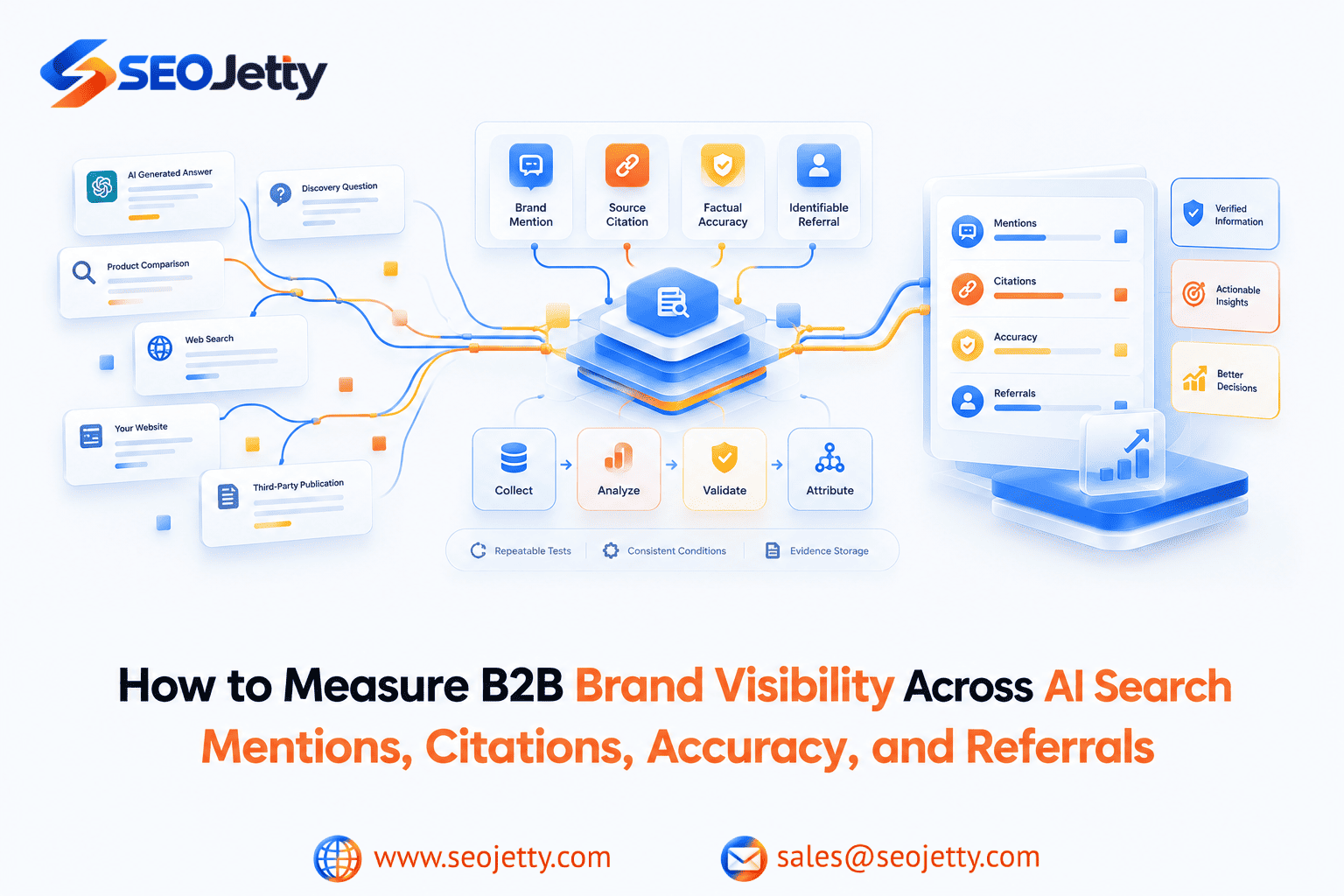
- Answer observations: whether a sampled response names the product, links to the correct locale, and reports accurate offer information.
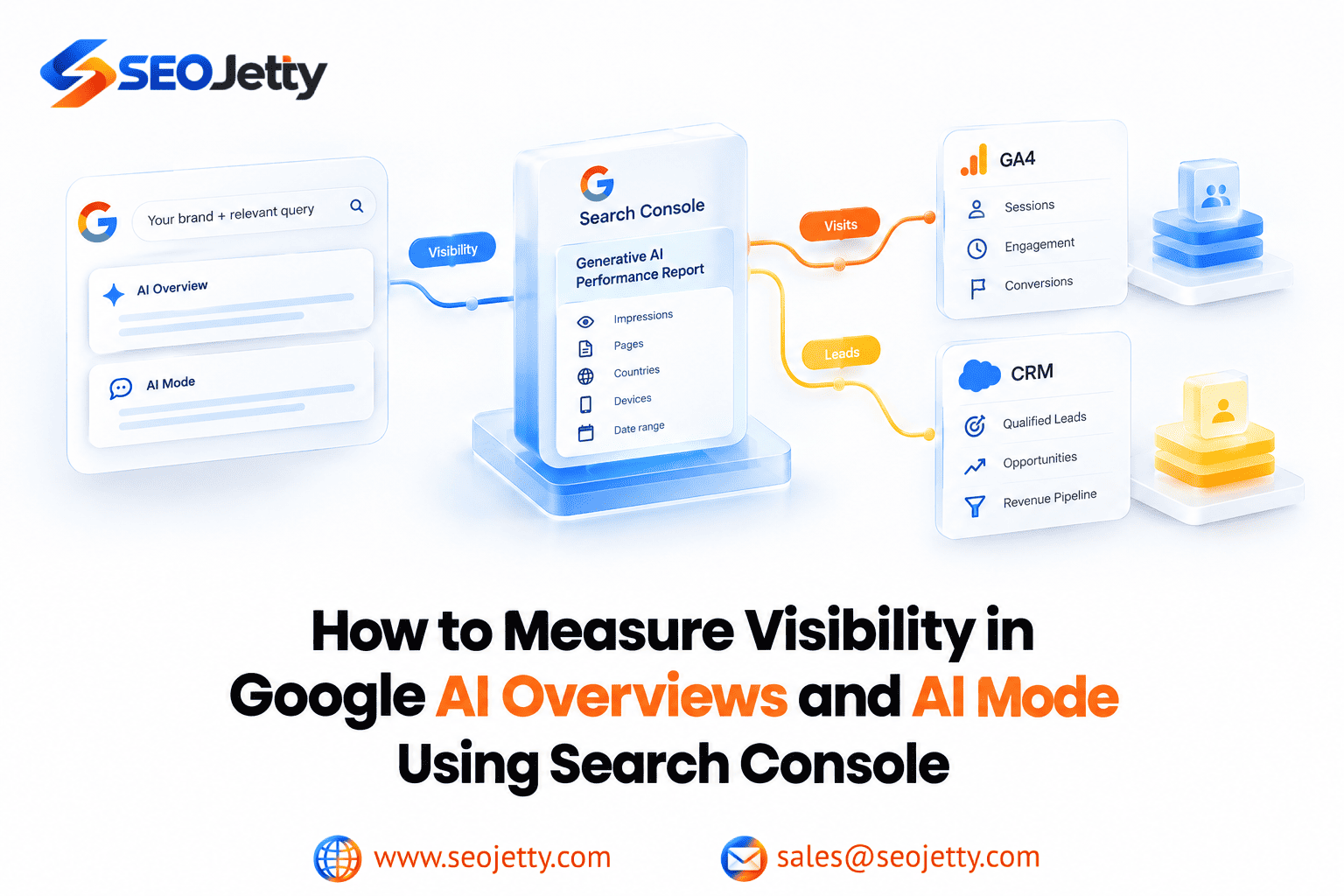
Google includes AI feature traffic within Search Console’s Web performance data; those totals should not be labeled as a standalone AI citation report.
For manual checks, record the platform, date, prompt language, location settings, cited URL, and any factual error. Repeat a fixed sample of questions rather than relying on one favorable screenshot. These checks are directional observations, not a census of visibility. Missing referral information and changing answers limit attribution; a mention alone does not demonstrate a sale.
A practical pilot before expanding the catalog
Choose one category, two supported locales, and a small set of buying questions. Record the baseline and make a change log. First fix access and product-data conflicts, then review localized buying guidance and validate the shopping journey.
Expand when the team can maintain accurate information and resolve defects reliably. Assess business outcomes over a suitable comparison period, accounting for promotions, inventory, seasonality, and other site changes. Do not attribute every movement to AI search work.
If you need external support, review SEO Jetty’s advertised International AI SEO service and ask for a scoped proposal specifying languages, implementation ownership, deliverables, and measurement limits.
Conclusion
Effective multilingual search work connects local customer questions to accessible pages, accurate offers, and a maintained catalog. Start with a controlled pilot, give each task an owner, and use technical checks and customer outcomes to guide expansion. AI visibility remains something to observe and evaluate, not an outcome that translation or markup can promise.