
If you are comparing multilingual AI SEO experts in Berlin, start with the work your business needs: helping buyers find and evaluate your product in the languages you can support. A provider should explain who researches local intent, who reviews German content, how language versions work technically, and how results will be assessed.
For a MarTech or SaaS company expanding from Germany, that means more than translating English pages. It means connecting a buyer’s question to accurate product information, a usable localized journey, and a sales team that can follow through. AI search visibility belongs in that plan, with clearly stated limits.
Understand what multilingual AI SEO includes
Multilingual SEO addresses different languages; international SEO also considers countries and regional differences. A German-language page might serve several markets, while a Germany-specific page addresses a particular country. Decide which distinction matters before commissioning more pages.
AEO means Answer Engine Optimization. GEO means Generative Engine Optimization here, rather than geographic targeting. These labels describe work concerned with answer-based and generative search experiences. Google’s own guidance treats optimization for its generative search features as SEO.
The practical scope can include market research, localization, technical implementation, factual product information, and observation of AI-generated answers. Treat promises of predictable recommendations or citations as claims requiring evidence. No provider controls another platform’s answer.
Choose markets by commercial readiness
Before selecting German, English, French, or Dutch, ask where you can sell, onboard, and support customers. A localized acquisition page has limited business value if the product documentation, demo, and contract discussions cannot support the same audience.
Prepare a market brief containing the target customer, supported product features, sales coverage, existing opportunities, and content owner. Separate the language a buyer reads from the country where that buyer operates. Do not treat Austria and Switzerland as automatic copies of a Germany launch.
For a resource-constrained team, a sensible pilot is one product category and one additional language. Select a journey that includes an explanatory page, a product or integration page, and a clear next step. Expand after reviewing actual demand and delivery capacity, rather than translating the entire blog first.
Ask providers to demonstrate localization judgment
Request a small research sample before approving a large content program. The useful output is a reasoned page brief: the buyer’s task, candidate terminology, observed search results, supporting product facts, and the next action.
Consider this hypothetical exercise for a Berlin-based MarTech vendor. These phrases are research candidates, not verified keywords or evidence of search volume.
| Buyer task | Candidate wording to investigate | Useful page content |
|---|---|---|
| Explore marketing automation | “marketing automation software”; “Marketing-Automatisierung Software” | Who the product serves, supported workflows, implementation boundaries. |
| Evaluate a CRM connection | “CRM integration”; “CRM-Anbindung” | Supported CRM systems, data exchanged, setup responsibilities, limitations. |
| Investigate data handling | “data processing agreement”; “Auftragsverarbeitungsvertrag” | Approved documentation, review contact, and accurately described product practices. |
A reviewer should check whether German buyers use the English industry term, a German alternative, or both. Then inspect whether the results serve the same intent. A dictionary-equivalent phrase can lead to a different kind of page.
Ask the provider to distinguish observed demand from assumptions. Use your sales questions, support requests, available Search Console queries, and current market research as inputs. Product and legal owners should approve claims in their respective areas.
Set technical acceptance criteria before launch
Give each language a stable destination
Google recommends different URLs for language versions. A structure such as /de/ and /en/ is one option. Localized words in URLs are acceptable. Keep each page’s main content and navigation in its intended language, and provide links for users to switch languages. Avoid forced language redirects that prevent access to other versions.
For an established site, review the current architecture before proposing a domain migration. Ask what problem the change solves and who will maintain redirects, navigation, and regional content afterward.
Map equivalent pages with hreflang
Hreflang identifies language or regional alternatives. For example, an English product page and its German counterpart should reference each other and themselves using fully qualified URLs. Use de for general German content, or de-DE when Germany-specific targeting is intended. A country code alone is insufficient.
Choose HTML, HTTP headers, or XML sitemap annotations according to the platform; Google considers these methods equivalent. An optional x-default can identify a fallback. Map equivalent content, rather than sending every untranslated page to a foreign-language homepage. Hreflang does not translate content or establish its quality.
Check canonicals and indexability together
For distinct translated pages intended for indexing, review self-referencing canonicals and avoid automatically canonicalizing every language to English. Google’s canonical guidance recommends a canonical in the same language when using hreflang. Similar regional pages within one language may need a separate consolidation decision.
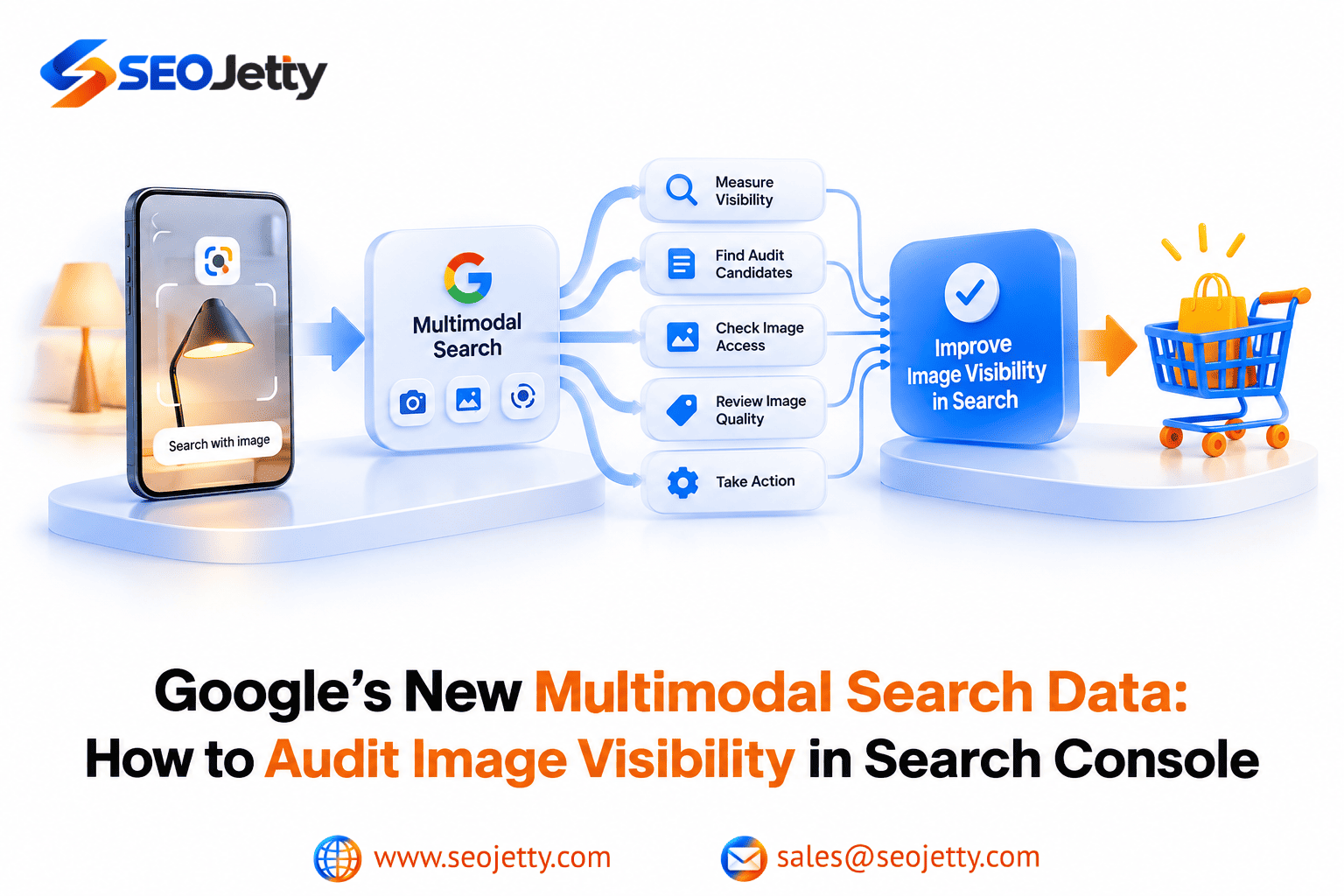
The launch review should check successful responses, robots directives, authentication, accidental noindex, rendered content, internal links, preferred sitemap URLs, and Search Console inspection. These checks support discovery and diagnosis; they do not guarantee indexing.
Keep product facts consistent across languages
What providers call entity optimization should translate into understandable editorial work. Maintain an approved record of the company name, product names, feature descriptions, integrations, service availability, and supporting sources. Keep brand names consistent while allowing explanations to read naturally in each language.
Assign an owner to update every affected language when a feature changes. Record which claims need engineering, security, or legal approval. This is particularly useful when localized pages describe hosting, data handling, integrations, or implementation responsibilities.
Structured data can describe page content, but it should match information users can see. Do not add invented offices, credentials, reviews, or relationships. A Berlin keyword does not justify marking an organization as having a Berlin address.
Evaluate AI search work as a documented experiment
Google states that AI Overviews and AI Mode have no additional technical requirements. Supporting pages must be indexed and eligible for a search snippet. Special AI schema or machine-readable AI files are not required for those features, and eligibility does not ensure inclusion.
For other platforms, request platform-specific evidence before accepting a proposed requirement. Clear answers, source links, and comparison tables should earn their place by helping buyers understand the product.
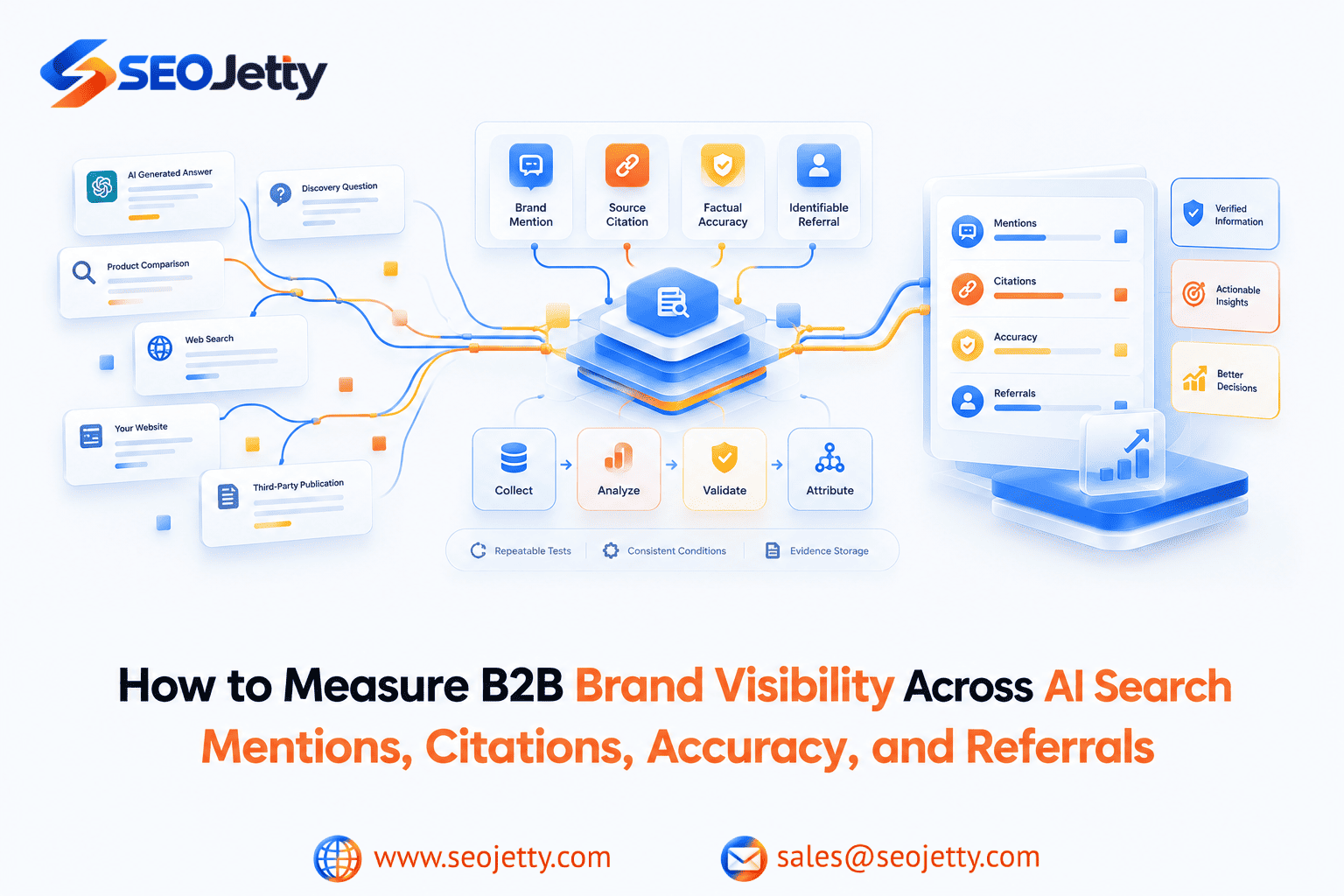
A practical monitoring proposal can use a fixed sample of buyer questions in German and English. Record the date, platform, available locale settings, exact question, response, cited URLs, and factual errors. Separate a brand mention from a linked citation and from a visit to your website.
Repeat observations consistently, but report the sample’s limits. A favorable answer to a few prompts cannot establish market-wide visibility or prove that an individual content change caused it.
Make the provider proposal reviewable
Being based in Berlin may matter for workshops or collaboration. It does not establish linguistic or technical competence. Compare proposals using tangible evidence and named responsibilities.
- Language review: Who edits German copy, and can they explain changes to a technical MarTech passage?
- Implementation: Can the team show a sample locale map, canonical review, and documented launch checks?
- Relevant evidence: Does a case study disclose the market, scope, timeframe, baseline, and limitations?
- Delivery ownership: Who researches, approves, builds, tests, and maintains each language?
- Commercial clarity: What is included, which dependencies sit with your team, and what constitutes an accepted deliverable?
SEO Jetty publishes an international SEO service offering. If you include it in a shortlist, request a scoped proposal covering the language team, technical responsibilities, and reporting method. Verify those details before relying on any assumption about Berlin presence or German-market experience.
Measure buyer progress as well as visibility
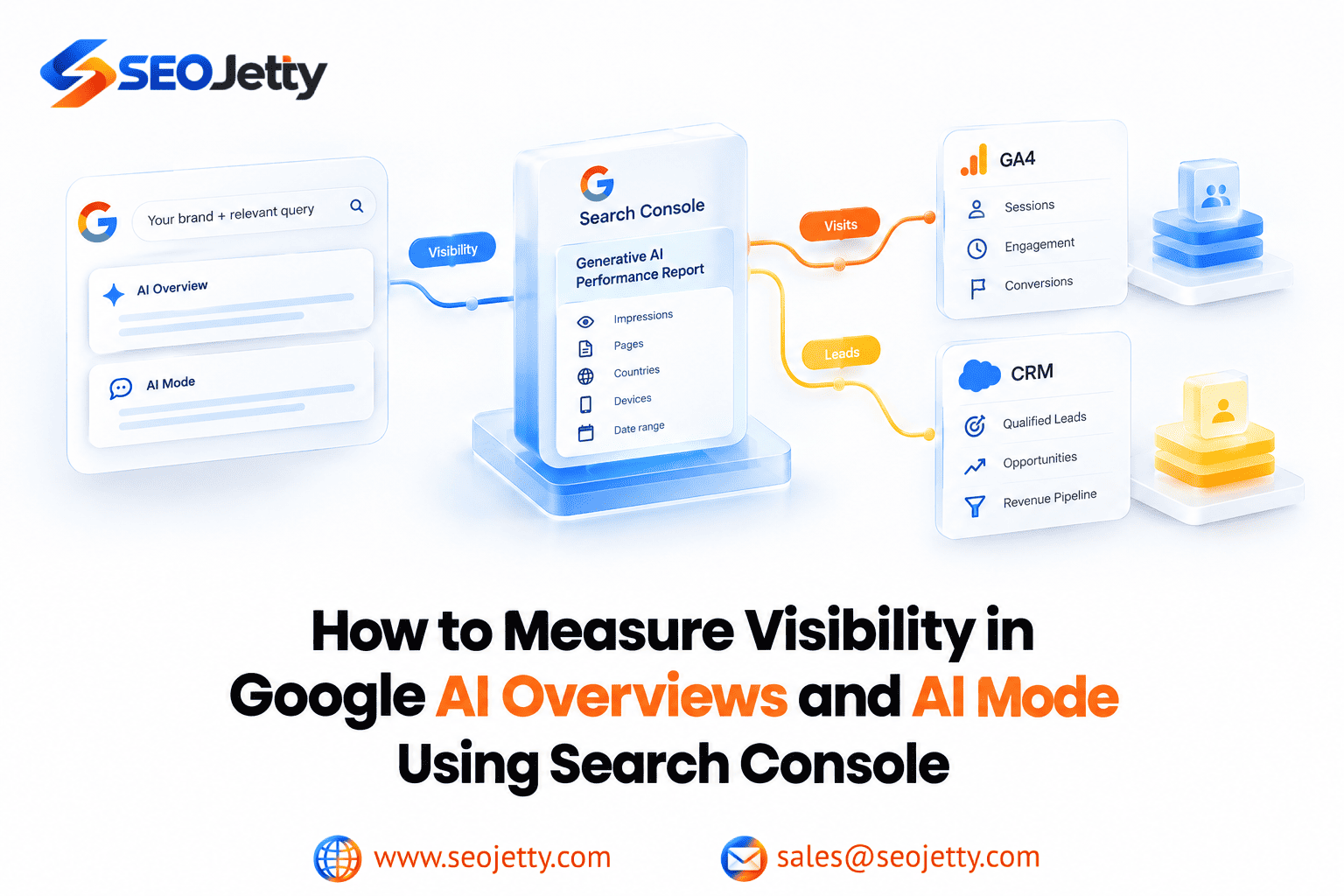
Agree on a baseline for each target market and localized page group. Google says traffic from its AI search features is included in Search Console’s Web performance reporting; do not present that aggregate as a standalone AI citation count.
Use a small measurement plan: relevant non-brand search activity, engagement with localized product pages, qualified inquiries, and accepted sales opportunities. Report country and page-language grouping separately; a visitor’s country does not identify their preferred language.
Combine search data, consented analytics, and CRM records where available. Note missing referral information, attribution gaps, product launches, seasonality, and campaign changes. A rise in citations alongside more inquiries is an observation, not proof that citations caused those inquiries.
Frequently asked questions
Can one agency manage every language?
Possibly, but ask who actually performs each language review. A single account manager is useful only if the required editorial, technical, and product expertise is available behind them.
Can we publish AI-translated drafts?
Use them as working drafts where appropriate. Review meaning, terminology, product accuracy, links, and the full conversion journey before publication. Automated fluency is not an approval process.
How should we compare pricing?
Compare the same scope: markets, page types, research, editing, implementation, reporting, and maintenance. Require a breakdown of exclusions and client dependencies rather than comparing monthly totals alone.
Who should own the accounts and working files?
Your company should retain appropriate ownership and access to analytics, Search Console, CMS assets, terminology records, and reports. Put access removal and handover responsibilities in the agreement.
When should another language be postponed?
Postpone when the team cannot maintain product accuracy, support inquiries, or complete the localized buying journey. A smaller supported launch provides a clearer basis for deciding what to expand.
What should happen when the engagement ends?
Request the locale map, content inventory, approval records, unresolved issues, measurement definitions, and maintenance instructions. Assign an internal owner so language versions stay current after handover.
Start with one accountable multilingual journey
The strongest starting point is a defined buyer task, a supported target market, and clear ownership. Evaluate providers on their ability to research, explain, implement, and maintain that journey. Then use measured buyer behavior and documented technical checks to decide where the next investment belongs.